
Fat Burners: Purpose, Ingredients, and Clinical Relevance
Fat burners are compounds designed to support fat metabolism through mechanisms such as thermogenesis, appetite regulation, and nutrient partitioning. While often marketed to fitness enthusiasts, they are also explored in clinical and wellness protocols for their potential to assist with weight and metabolic management. Results vary depending on the type of compound, how it’s taken, and the user’s overall metabolic condition.
What Are Fat Burners?
Fat burners function by influencing biological pathways that govern energy usage, fat storage, and hunger signaling. These compounds are not uniform – each one operates through distinct mechanisms, whether it’s increasing core body temperature, mobilizing stored triglycerides, or moderating satiety hormones like GLP-1.
Key compounds include:
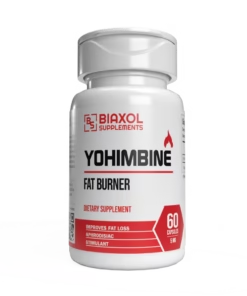
Yohimbine works by blocking certain receptors (called alpha-2 receptors) that are linked to stubborn fat, like the kind around your belly or thighs.
GLP-1 receptor agonists, such as semaglutide, which support appetite control and insulin modulation
Stimulants and botanical extracts, like caffeine and capsaicin, which increase thermogenic output
Medications like Ozempic, Rybelsus, and Trulicity are examples of GLP-1-based interventions used in regulated settings.
What Are the Benefits of Fat Burners?
Fat burners are often used to:
Increase metabolic rate
Enhance fatty acid mobilization
Regulate appetite and caloric intake
Improve energy availability during caloric restriction
Support better training output and mental focus
These benefits are most apparent when paired with diet, training, and sleep. Used in isolation, results are typically limited. When integrated into a system, however, fat burners can provide physiological leverage where it matters.
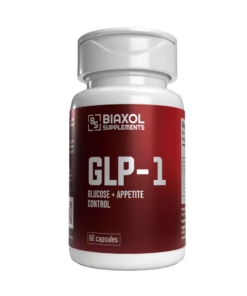
Weight Loss Supplements
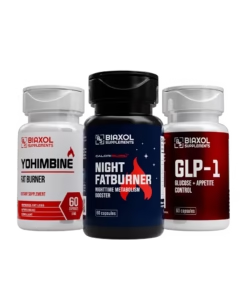
Bundles
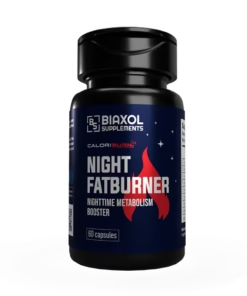
Weight Loss Supplements
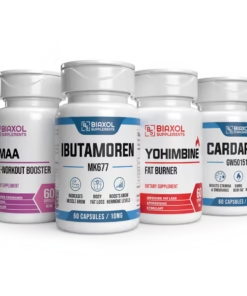
Bundles
Weight Loss Supplements